How to Learn a New Skill Faster Without Burning Out

Sooner or later, almost everyone needs to learn something new: a software tool for work, a language, a technical skill, a creative craft. Many people believe that fast learners are simply born that way, so when they struggle, they decide they are not talented. In reality, the way you study matters at least as much as how much time you spend. Cognitive scientists have spent decades studying how memory and skill develop, and their findings are surprisingly consistent. The methods that feel easiest, such as rereading notes or watching tutorials, are often the least effective, while some that feel harder actually produce much stronger results.
Decide exactly what you want to be able to do
"Learn photography" or "get better at Excel" is too vague to guide your practice. Turn it into a concrete outcome, for example "take well-exposed portraits in natural light" or "build a monthly budget spreadsheet with formulas and a chart." A clear target tells you what to study and what to ignore. It also lets you measure progress, which is motivating on days when improvement feels invisible. Break the target into smaller skills and tackle them one at a time.
Learn the basics from a good source, then stop consuming
Begin with a well-regarded course, book or teacher so that you do not build bad habits from the start. But be careful with the trap of endless tutorials. Watching someone else do something creates a comfortable feeling of understanding that disappears the moment you try it yourself. As soon as you grasp the basic ideas, move to practice. A good ratio for many skills is roughly one part input to two or three parts doing.
Practice by retrieving, not by rereading
One of the most reliable findings in learning research is that trying to recall information strengthens memory far more than reviewing it. After studying a topic, close the book and write down or say aloud everything you can remember. Then check what you missed. Flashcards, practice questions and teaching the idea to someone else all use the same principle. It feels more difficult and less pleasant than rereading, and that is precisely why it works: the effort of pulling information out of your memory makes it stick.
Space your practice over time
Cramming for several hours can produce short-term results, but the knowledge fades quickly. Spreading practice over days and weeks, with gaps between sessions, leads to much better long-term retention. Aim for short, regular sessions of thirty to sixty minutes instead of rare marathon sessions. Revisit earlier material at increasing intervals, such as after one day, three days, a week and a month. Many apps can automate this schedule, but a simple notebook and a calendar work too.
Practice the hard parts on purpose
It is natural to repeat what you already do well because it feels good. Real improvement comes from working at the edge of your ability, on the specific parts that you find difficult. If you are learning guitar, do not play the song from the beginning each time; isolate the tricky chord change and repeat it slowly until it is smooth. If you are learning to write, focus on the part of your drafts that always feels weak. This kind of deliberate practice is uncomfortable and requires attention, so keep sessions focused and end them before you are exhausted.
Get feedback
Practice without feedback can reinforce mistakes. Find someone who can show you what you are missing: a teacher, a mentor, a friend with more experience, an online community or even a recording of yourself. Be open to criticism, and ask specific questions such as "What is the one thing I should improve first?" Feedback speeds up learning because it shortens the time you spend going in the wrong direction.
Build something real
Projects make learning meaningful. Instead of working through exercises indefinitely, create something that matters to you, whether it is a small website, a short story, a presentation or a meal for friends. A project forces you to combine skills, solve unexpected problems and make decisions, all of which deepen understanding. It also gives you tangible proof of your progress, which is encouraging.
Protect sleep and avoid burnout
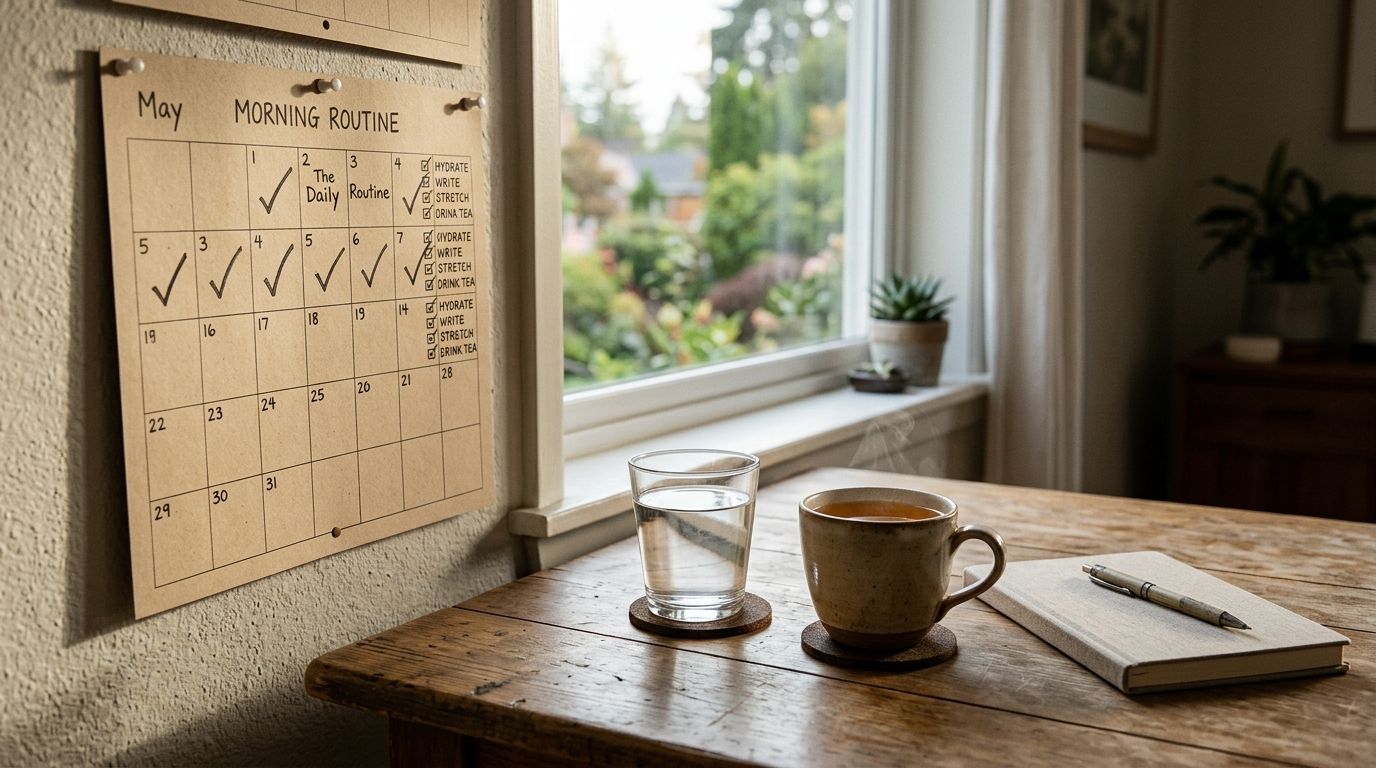
Memory consolidation happens largely during sleep, so cutting sleep to study more is usually counterproductive. Take breaks, move your body and allow yourself rest days. Motivation also rises and falls, so rely on routines more than on enthusiasm: the same time, the same place, a small manageable amount. If you reach a plateau, which almost everyone does, remember that it is normal and often precedes a jump in understanding.
A starter plan for the next thirty days
Choose one skill and write down your concrete target. In the first week, learn the fundamentals from one good source. In the second week, begin a small project and practice the difficult parts for thirty minutes a day. In the third week, test yourself without notes and seek feedback from someone more experienced. In the fourth week, improve your project and plan your next goal. By the end of the month, you will not be an expert, but you will have a tangible result, a method that works for you and the confidence that you can learn whatever you decide to learn next.
This article is for general information and is not professional advice. See our disclaimer.


0 Comments
No comments yet. Be the first to share your thoughts.
Leave a comment
Your email address will not be published. Comments are reviewed before they appear.