How to Work From Home Without Losing Focus or Your Evenings
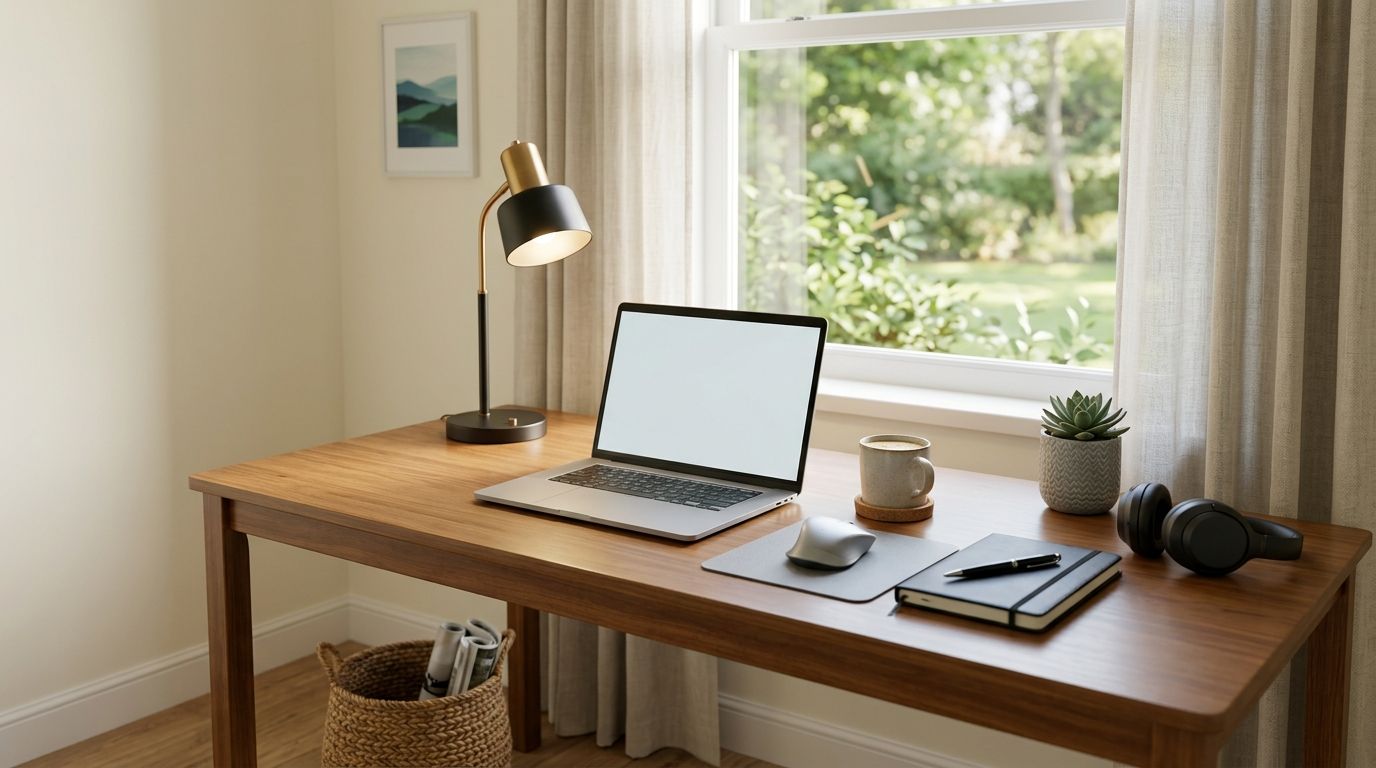
Working from home sounds wonderful until you actually do it. There is no commute and no noisy open-plan office, but there is also laundry, a loud neighbor, a fridge ten steps away and a bed that suddenly looks very inviting at two in the afternoon. Many people find that their first few weeks of home working are either unexpectedly unproductive or, the opposite, so absorbing that work spills into every evening. The solution in both cases is the same: build structure on purpose, because the office used to provide it for you automatically.
Create a dedicated work space
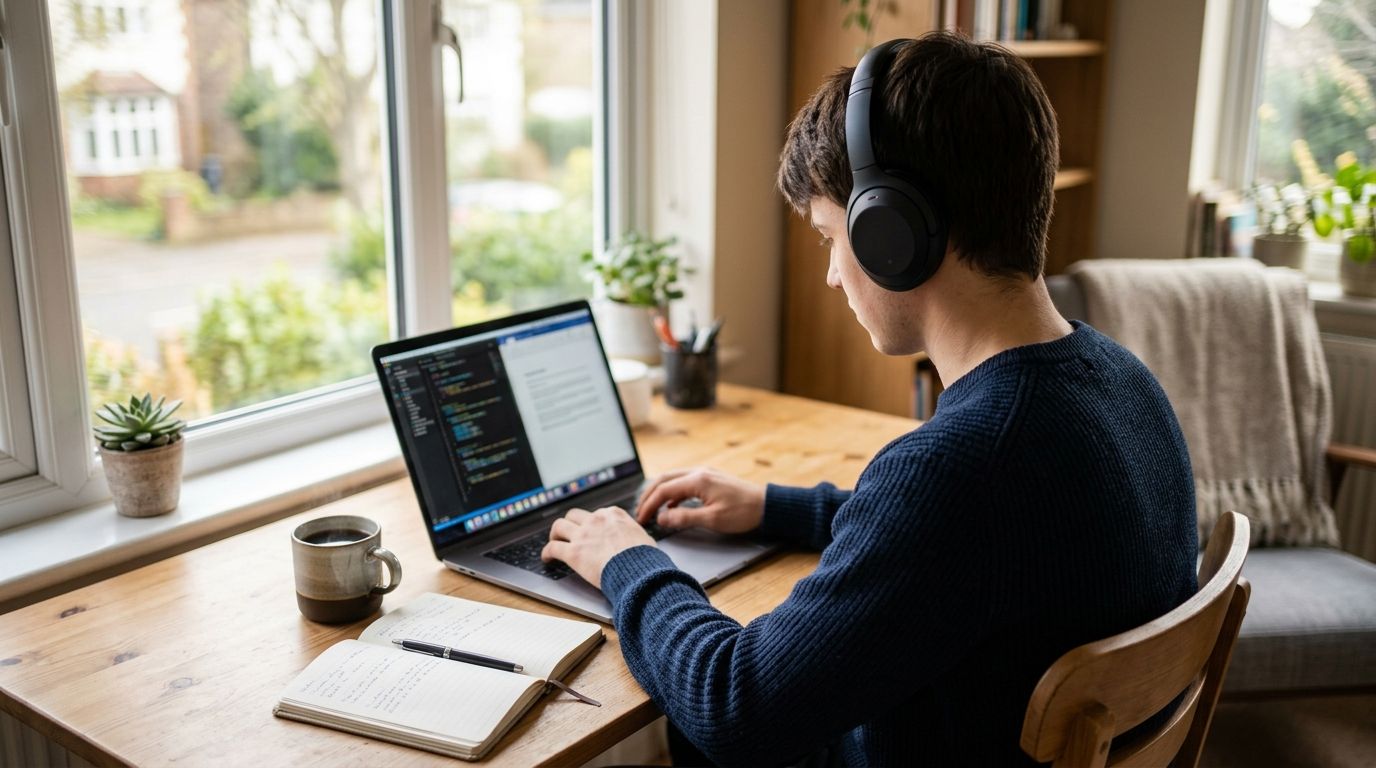
It does not have to be a separate room. A corner of a table that you use only for work can be enough, as long as your brain learns to connect that place with focus. If possible, avoid working from your bed or sofa, because those places are strongly linked with rest, and you will find it harder to concentrate while your body keeps expecting to relax. Choose a decent chair, put your screen at eye level and make sure the light is good. If your space is shared, a pair of noise-cancelling headphones and a clear signal to others, such as a closed door or a small sign, can make a bigger difference than you might expect.
Keep a start and an end to the day
One of the biggest risks of home work is that the day has no edges. Decide your working hours and stick to them as far as your job allows. Begin with a small ritual that replaces the commute: a short walk, a cup of tea, getting dressed as if you were going out. At the end, do something that marks the close, such as writing a short list for tomorrow, shutting the laptop and putting it out of sight. These simple signals help your mind switch between modes, which protects both your productivity and your evenings.
Plan your day around real work blocks
At home there is no one walking past your desk to remind you what to do, so write a simple plan each morning with the two or three most important tasks. Do the most demanding one first, while your energy is highest, in a block of ninety minutes or so without interruptions. Group smaller tasks such as messages and calls into other parts of the day. If you work with colleagues in different time zones, share your available hours clearly so you are not expected to respond at all times.
Manage distractions honestly
Everyone has a few predictable distractions. For some it is the phone, for others news sites, household chores or the urge to snack. Name yours and put a barrier in front of them. Keep the phone in another room or in a drawer during focus blocks, close unnecessary tabs, and use website blockers if you need them. For household tasks, give yourself a scheduled slot, such as ten minutes at lunch for chores, so they do not creep into work time. The point is not to become a robot, but to decide in advance when each part of life gets attention.
Stay connected to people
Isolation is a common and underestimated downside of working from home. Without casual conversations, it is easy to feel disconnected from your team and from the purpose of your work. Schedule regular check-ins with colleagues, including some that are not strictly about tasks. If you work alone as a freelancer, consider joining an online community, meeting a friend for lunch or working occasionally from a library or café. Human contact keeps motivation steadier and helps you notice problems before they grow.
Look after your body
Sitting for long hours without the natural movement of a commute can quietly affect your health. Stand up and move every hour, even for a minute or two, stretch your neck and shoulders, and rest your eyes by looking at something distant. Drink water through the day and eat proper meals instead of grazing at your desk. A short walk outdoors at lunchtime improves mood and afternoon focus for many people. If your back or wrists start to hurt, adjust your setup early, since small problems tend to get worse if ignored.
Communicate more, not less
When people cannot see you working, clear communication builds trust. Share what you are working on, update colleagues on progress and let them know early if something is delayed. Write messages that are clear and complete, so that people do not need several rounds of questions. This is also useful if you work for clients, who value reliability and transparency highly.
Review what works
At the end of each week, spend a few minutes thinking about what helped you focus and what got in the way. Perhaps mornings are productive but afternoons drift, or maybe a certain time of day is always interrupted. Adjust accordingly. Home working is not a fixed system but one you refine, and small improvements added together turn the arrangement into something that supports both your career and your life, instead of competing with it.
This article is for general information and is not professional advice. See our disclaimer.


0 Comments
No comments yet. Be the first to share your thoughts.
Leave a comment
Your email address will not be published. Comments are reviewed before they appear.